
DNA Vectors


Cell Biologics GFP-Expressing Canine Primary Dermal Epithelial Cells
GFP-Expressing Canine Primary Dermal Epithelial Cells


Sino Biological Anti-beta Galactosidase Antibody, Rabbit Polyclonal 20 µL
Produced in rabbits immunized with purified, recombinant E. coli lacZ/beta Galactosidase (WP_000177906.1; 1M-1024K). IgG1 specific IgG was purified by E. coli lacZ/beta Galactosidase affinity chromatography.
Cell Biologics C57BL/6-GFP Mouse Primary Pulmonary Artery Fibroblasts
C57BL/6-GFP Mouse Primary Pulmonary Artery Fibroblasts
Cell Biologics C57BL/6-GFP Mouse Primary Esophageal Epithelial Cells
C57BL/6-GFP Mouse Primary Esophageal Epithelial Cells
Cell Biologics GFP-Expressing Canine Primary Thyroid Epithelial Cells
GFP-Expressing Canine Primary Thyroid Epithelial Cells
Cell Biologics GFP-Expressing Canine Primary Dermal Fibroblasts
GFP-Expressing Canine Primary Dermal Fibroblasts
Cell Biologics GFP-Expressing Canine Primary Lymphatic Fibroblasts
GFP-Expressing Canine Primary Lymphatic Fibroblasts
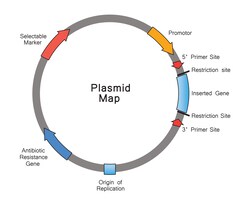
BIOHIPPO AAV-EF1a-DIO-EGFP-EGFP-T2A-TVA-WPRE-hGH-polyA
Recombinant adeno associated virus expressing TVA fused to EGFP under the EF1a promoter with WPRE and hGH polyA elements. The Cre dependent configuration enables expression only after recombination, providing precise targeted control of targeted neurons. Offered under the Biohippo AAVX Series with multiple serotypes available including AAV2/1, AAV2/2, AAV2/5, AAV2/6, AAV2/6m, AAV2/6.2FF, AAV2/7m8, AAV2/8, AAV2/9, AAV2/DJ, AAV2/DJ8, AAV2/Retro, AAV2/PHP.eB, AAV2/PHP.B, AAV2/rh10, AAV2/PHP.S, AAV2/anc80, AAV2/B10, AAV2/olig001, AAV2/BI30, AAV2/BR1, AAV2/MG1.2, AAV1/2, AAV2/MaCPNS1, and AAV2/MaCPNS2. Regular titer is greater than or equal to 2.00E+12 vg per mL, with high titer greater than or equal to 1.00E+13 vg per mL available upon request at no additional cost. Customers may specify preferred serotype and titer when placing orders.


Creative Diagnostics Pseudotyped Luciferase rSARS-CoV-2 Spike
Pseudotyped Luciferase rSARS-CoV-2 Spike is a replication-restricted, recombinant pseudotyped lentiviral particles containing SARS-CoV-2 spike protein. Because the infectivity of Pseudotyped Luciferase rSARS-CoV-2 is restricted to a single round of replication, the pseudotypes can be handled using BSL-2 containment practices.
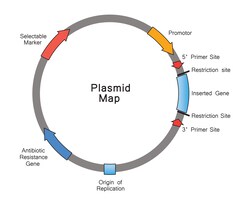
BIOHIPPO AAV-VGAT1-DIO-DTA-2A-EGFP-WPRE-hGH-polyA
Recombinant adeno associated virus expressing DTA fused to EGFP under the VGAT1 promoter with WPRE and hGH polyA elements. The Cre dependent configuration enables expression only after recombination, providing precise targeted control of targeted neurons. Offered under the Biohippo AAVX Series with multiple serotypes available including AAV2/1, AAV2/2, AAV2/5, AAV2/6, AAV2/6m, AAV2/6.2FF, AAV2/7m8, AAV2/8, AAV2/9, AAV2/DJ, AAV2/DJ8, AAV2/Retro, AAV2/PHP.eB, AAV2/PHP.B, AAV2/rh10, AAV2/PHP.S, AAV2/anc80, AAV2/B10, AAV2/olig001, AAV2/BI30, AAV2/BR1, AAV2/MG1.2, AAV1/2, AAV2/MaCPNS1, and AAV2/MaCPNS2. Regular titer is greater than or equal to 2.00E+12 vg per mL, with high titer greater than or equal to 1.00E+13 vg per mL available upon request at no additional cost. Customers may specify preferred serotype and titer when placing orders.
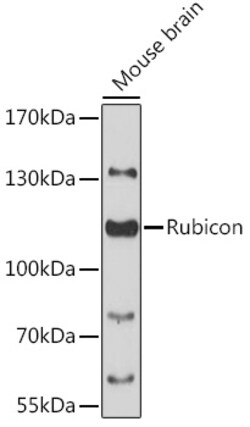
ABclonal Technology Rubicon Rabbit pAb

The protein encoded by this gene is a negative regulator of autophagy and endocytic trafficking and controls endosome maturation. This protein contains two conserved domains, an N-terminal RUN domain and a C-terminal DUF4206 domain. The RUN domain is involved in Ras-like GTPase signaling, and the DUF4206 domain contains a diacylglycerol (DAG) binding-like motif. Mutation in this gene results in deletion of the DAG binding-like motif and causes a recessive ataxia. Alternatively spliced transcript variants encoding distinct isoforms have been found for this gene.
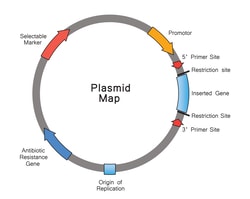
BIOHIPPO AAV-EF1a-hM3D(Gq)-mCherry-WPREs
Recombinant adeno associated virus expressing hM3D(Gq) fused to mCherry under the EF1a promoter with WPRE and hGH polyA elements. The Dre dependent configuration enables expression only after recombination, providing precise chemogenetic control of targeted neurons. Offered under the Biohippo AAVX Series with multiple serotypes available including AAV2/1, AAV2/2, AAV2/5, AAV2/6, AAV2/6m, AAV2/6.2FF, AAV2/7m8, AAV2/8, AAV2/9, AAV2/DJ, AAV2/DJ8, AAV2/Retro, AAV2/PHP.eB, AAV2/PHP.B, AAV2/rh10, AAV2/PHP.S, AAV2/anc80, AAV2/B10, AAV2/olig001, AAV2/BI30, AAV2/BR1, AAV2/MG1.2, AAV1/2, AAV2/MaCPNS1, and AAV2/MaCPNS2. Regular titer is greater than or equal to 2.00E+12 vg per mL, with high titer greater than or equal to 1.00E+13 vg per mL available upon request at no additional cost. Customers may specify preferred serotype and titer when placing orders.

Amsbio LLC Sv40 Large T-antigen (EF1a/ Hygro) Lentivirus in PBS
Sv40 Large T-antigen (EF1a Hygro) Lentivirus in PBS
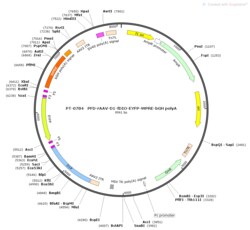
BIOHIPPO AAV-D1-fDIO-Cre-mCherry-WPRE-bGH-polyA
Recombinant adeno associated virus expressing Cre fused to mCherry under the D1 promoter with WPRE and hGH polyA elements. The Cre and Flp logic configuration enables expression only after recombination, providing precise targeted control of targeted neurons. Offered under the Biohippo AAVX Series with multiple serotypes available including AAV2/1, AAV2/2, AAV2/5, AAV2/6, AAV2/6m, AAV2/6.2FF, AAV2/7m8, AAV2/8, AAV2/9, AAV2/DJ, AAV2/DJ8, AAV2/Retro, AAV2/PHP.eB, AAV2/PHP.B, AAV2/rh10, AAV2/PHP.S, AAV2/anc80, AAV2/B10, AAV2/olig001, AAV2/BI30, AAV2/BR1, AAV2/MG1.2, AAV1/2, AAV2/MaCPNS1, and AAV2/MaCPNS2. Regular titer is greater than or equal to 2.00E+12 vg per mL, with high titer greater than or equal to 1.00E+13 vg per mL available upon request at no additional cost. Customers may specify preferred serotype and titer when placing orders.